
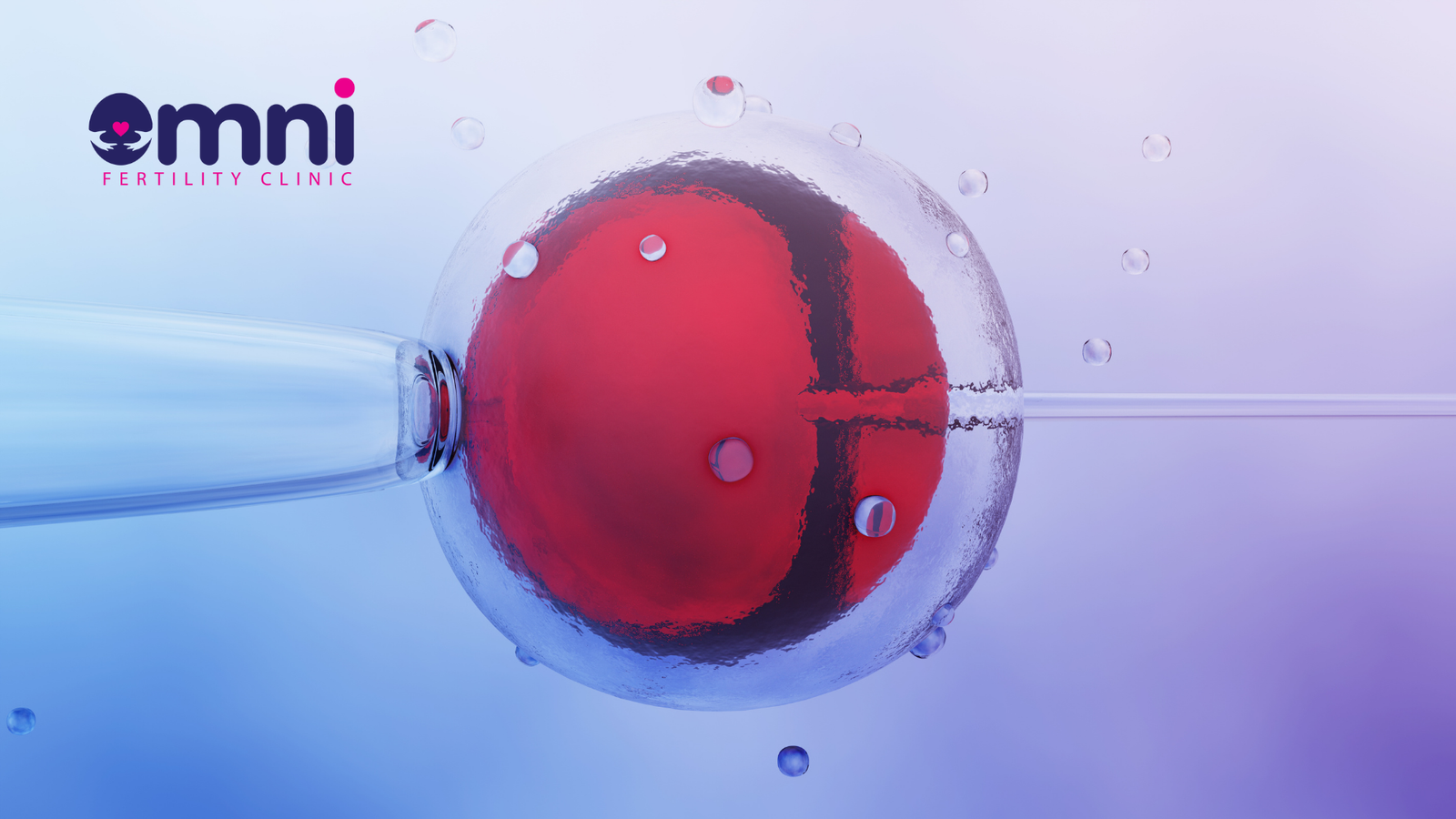
Laser Assisted IVF Treatment in Cyprus
Laser Assisted Hatching in North Cyprus IVF (IVF–ICSI) Programs
Laser-assisted IVF—most commonly known as laser assisted hatching (LAH)—is an advanced embryology technique used in selected Cyprus IVF cases to support embryo implantation. During IVF–ICSI, embryos develop inside a protective outer shell called the zona pellucida. For implantation to occur, a blastocyst must “hatch” from this shell and attach to the uterine lining.
In some patients, embryologists may recommend laser-assisted hatching to gently thin or open a small area of the zona pellucida, aiming to make the hatching step easier—especially in certain clinical situations such as frozen embryo transfer (FET) cycles or repeated implantation concerns.
Cyprus has become a well-known destination for IVF in Cyprus, including North Cyprus IVF pathways, because many patients value the combination of experienced IVF teams, modern embryology labs, and flexible treatment planning for international travel.
What Is Laser Assisted Hatching?
Laser assisted hatching is a laboratory procedure performed on an embryo shortly before transfer (or sometimes at a specific stage in the lab). A precise medical laser is used to:
-
Thin the zona pellucida (partial thinning), or
-
Create a tiny opening in the zona pellucida (assisted breach)
The goal is to support the embryo’s natural ability to hatch at the correct time for implantation—without changing the embryo’s genetics.
It’s important to understand that LAH is not a separate fertility treatment on its own. It is an optional lab step that may be added to an IVF–ICSI cycle at a Cyprus IVF Center when clinically appropriate.
How Does Laser-Assisted IVF Work in Practice?
While protocols vary by clinic, the typical workflow in a Cyprus IVF setting looks like this:
1) IVF–ICSI and Embryo Development
-
Eggs are collected (OPU), sperm is prepared, and fertilization occurs via IVF or ICSI.
-
Embryos are cultured until Day 3 (cleavage stage) or Day 5 (blastocyst).
2) Embryo Assessment
Embryologists evaluate embryo development using morphology grading and, in some labs, additional tools (for example, time-lapse monitoring if available).
3) Laser Assisted Hatching
-
The embryo is stabilized under a specialized microscope.
-
The laser is applied to thin or open a small region of the zona pellucida.
-
The procedure is quick and performed by trained embryologists in controlled lab conditions.
4) Embryo Transfer (Fresh or Frozen)
-
The embryo is transferred into the uterus as in standard IVF.
-
LAH is simply a supportive step integrated into the planned transfer cycle.
Who May Be Considered for Laser Assisted Hatching in Cyprus IVF?
Laser assisted hatching is not automatically recommended for every patient. Many reputable programs apply LAH selectively, based on clinical history and embryo/lab considerations.
A Cyprus IVF team may consider LAH in cases such as:
-
Frozen embryo transfer (FET) cycles where the zona may behave differently after freezing and warming
-
A history of repeated implantation failure (case-by-case definition varies)
-
Certain embryo-related factors noted by the lab (for example, zona characteristics)
-
Advanced maternal age (select scenarios—evidence is mixed, and not a “routine” indication)
-
Situations where the clinical team believes a carefully chosen supportive technique may be reasonable
At the same time, major professional guidance has concluded that assisted hatching does not significantly improve live birth rates in fresh ART cycles, and evidence is insufficient for benefit in poor prognosis or FET cycles overall—supporting the idea that LAH should be case-selected, not routine. asrm.org
Does Laser Assisted Hatching Increase IVF Success Rates?
This is one of the most searched questions around North Cyprus IVF, ICSI Cyprus, and advanced lab techniques.
Here’s the practical, patient-friendly answer:
-
LAH may help in certain selected cases, but
-
It does not guarantee pregnancy, and
-
It should not be marketed as a “must-have” upgrade for everyone
Evidence has been mixed across patient groups and study designs. That’s why the best approach in a trusted Cyprus IVF Center is individualized decision-making: your embryo stage, transfer type (fresh vs frozen), prior outcomes, and overall infertility factors all matter. asrm.org
Potential Benefits of Laser-Assisted Hatching
When used appropriately, LAH may offer potential advantages such as:
-
Supporting the embryo’s hatching step, which is essential for implantation
-
A possible boost in implantation potential in selected patients (not universal)
-
A more “targeted” approach when a couple has a complex IVF history
In modern IVF practice, clinics typically focus on optimizing outcomes with a full strategy—embryo culture quality, transfer timing, uterine preparation, and embryo selection—rather than relying on any single add-on.
Risks and Limitations You Should Know
Even though laser techniques are precise, LAH is still an embryo micromanipulation step. Potential concerns include:
-
Embryo damage risk (rare in experienced hands, but not zero)
-
A possible association with increased monozygotic twinning (identical twins) reported in some contexts asrm.org
-
The fact that adding LAH can increase cost and complexity without clear benefit for many patients
This is why ethical, patient-centered IVF programs discuss LAH as an optional tool—used only when the expected benefit justifies the step.
Laser-Assisted IVF in Cyprus: Why Patients Ask About It
People researching IVF in Cyprus often look for clinics that offer modern lab options, including:
-
ICSI Cyprus programs with advanced embryology workflow
-
FET planning for international travel schedules
-
Genetic testing coordination (when clinically indicated)
-
Add-on techniques like LAH, used selectively and transparently
A strong Cyprus IVF experience usually depends on the clinic’s ability to combine technology with careful medical judgment—especially when patients travel from abroad and need a clear, efficient treatment plan.
Frequently Asked Questions
Is laser assisted hatching painful?
No. LAH is performed in the lab on the embryo, not on your body. You do not feel anything.
Is LAH done on Day 3 or Day 5?
Both are possible depending on the clinic’s protocol and embryo stage, but many modern programs often focus on blastocyst-stage strategies. Your team will choose what fits the cycle plan.
Should everyone doing IVF in Cyprus get LAH?
Not necessarily. Guidance supports selective use rather than routine application. asrm.org
Does LAH replace good embryo selection or genetic testing?
No. LAH is not a substitute for embryo quality, uterine readiness, or appropriate medical evaluation. It is only a supportive lab step.
Conclusion: A Smart, Selective Tool in Cyprus IVF
Laser-assisted IVF (laser assisted hatching) can be a meaningful option in selected North Cyprus IVF cases—especially when a clinic evaluates your history carefully and explains why this step may or may not help.
The best results in Cyprus IVF generally come from a complete strategy:
-
correct diagnosis,
-
personalized IVF–ICSI planning,
-
high-quality lab standards,
-
and transparent guidance about which additional techniques are truly appropriate.